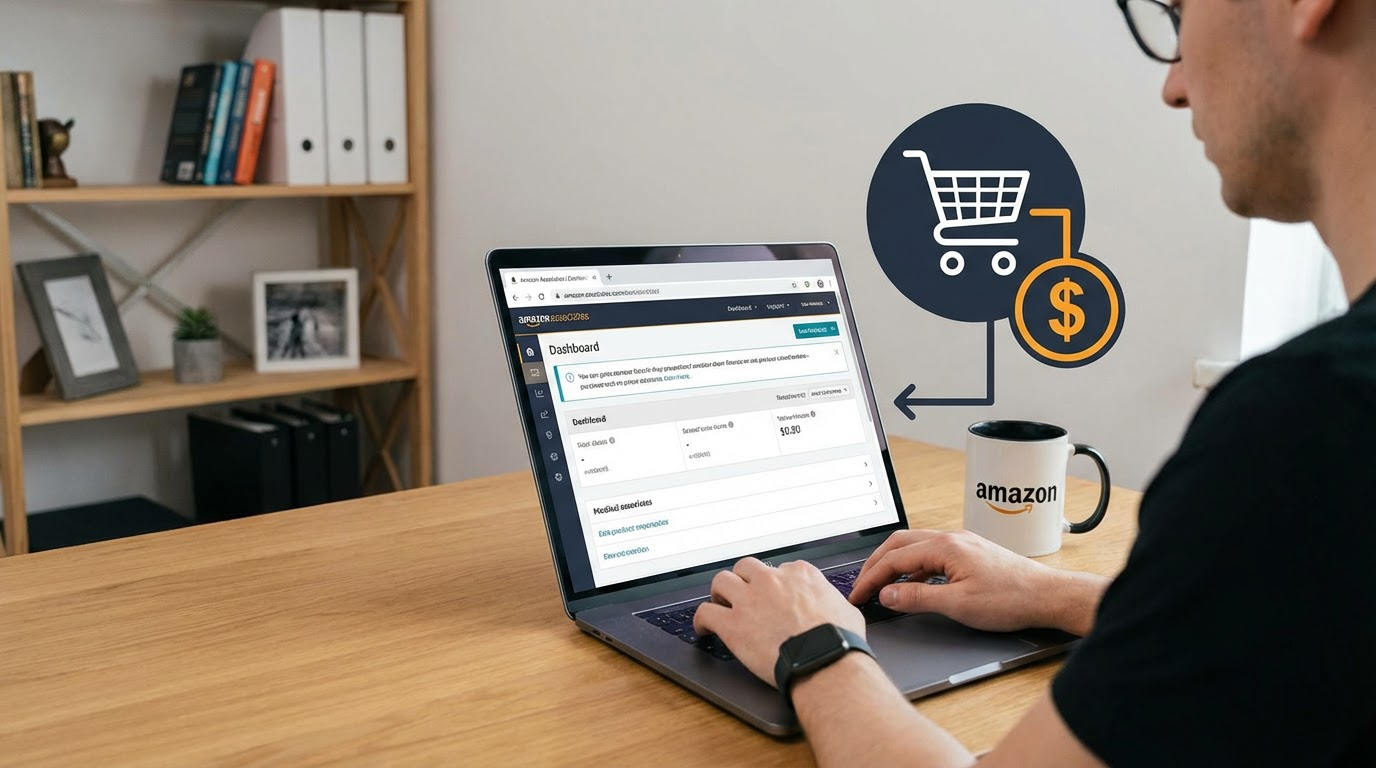
I’m an Amazon Affiliate. Which means every time I post a product link, I can count on two things: someone in the comments telling me not to shop at Amazon, and someone sliding into my inbox to correct my ethics.
I get it. I do. The backlash against Bezos isn’t coming from nowhere. Amazon’s labor practices have drawn real, documented criticism. Its market dominance is a legitimate concern. And then there’s what he’s done to the Washington Post — a once-respected paper he’s spent years gutting, neutering, and bending toward power until it became a reliable instrument of the very people it should be holding accountable. The frustration makes sense.
But here’s the thing: Bezos isn’t affected by your boycott.
This is a man who just spent $75 million on what may be the worst movie ever made. Do you think he’s lying awake at night because you ordered from Target instead? He is not. He is on a yacht the size of a small nation, completely unbothered.
Meanwhile, I am here, with a link to buttermilk powder.
The people who actually feel it
When Amazon’s sales dip, the people who feel it first aren’t the ones at the top. They’re the ones at every other level of the ecosystem.
Affiliates like me earn commissions when people buy through our links. That’s not a corporation skimming profits — that’s how independent creators, bloggers, and podcasters supplement their income. When you skip the link, we don’t get paid. Bezos doesn’t notice.
The sellers on Amazon’s marketplace are largely small and medium-sized businesses — over 1.9 million in the U.S. alone. More than 60% of all Amazon sales come from these independent sellers, not from Amazon itself. When you boycott Amazon, you’re frequently boycotting a small business owner who built their livelihood on that platform because it was the only way to reach enough customers to survive.
Then there are the warehouse workers — 1.56 million of them globally. The concerns about their working conditions are valid. But reduced sales don’t translate into better treatment. They translate into cut hours, slower hiring, and faster automation. The boycott meant to protect them tends to hurt them instead.
And the delivery drivers — most of Amazon’s last-mile delivery runs through independent Delivery Service Partners, small logistics companies whose drivers are working-class people in communities where comparable jobs are scarce. Less volume means less work. It’s that simple.
There’s one more group worth mentioning: the people who depend on Amazon not for income, but for access. For millions of Americans living in rural areas, Amazon isn’t a convenience — it’s the only practical way to get things they need. No nearby pharmacy. No big box store within 40 miles. No local retailer stocking the specific medical supply or farm equipment part or specialty item their life requires. “Just shop somewhere else” sounds reasonable if you live near somewhere else. A lot of people don’t.
Amazon laid off 16,000 people in January.
Do you think Bezos lost sleep over that?
He did not. Because the people who get laid off, who lose hours, who see their small business orders dry up — they’re not in his world. They never were. They are in ours.
The harder question
Let me be clear: this isn’t a defense of Bezos. He sucks. The Washington Post gutting, the labor practices, the market dominance — all of it is real and worth being angry about.
But I’m not just skeptical of this boycott. I’m skeptical of boycotts generally, because they almost never hurt the people they’re intended to hurt. And when they do eventually reach the top, they’ve already carved through everyone below on the way there. The warehouse worker loses hours before Bezos loses sleep. The small business seller loses orders before Amazon loses market share. The rural family loses access before any executive loses a bonus.
Boycotts are a blunt instrument. They are largely ineffective. But more than anything, they are unkind — to the people least responsible for the problems we’re angry about, and least equipped to absorb the consequences.
If you want to hold Amazon accountable, support unionization efforts. Pressure lawmakers on worker protection. Demand supply chain transparency. Those are levers that reach the people with actual power to change things.
Skipping my buttermilk powder link mostly just means I don’t get paid.
Bezos will be fine either way.
Leave a Reply